
When choosing a promotional video production company, the key is to first define your needs and budget, then verify their qualifications and review their portfolio, assess their team and equipment, compare quotes and scrutinize the contract, and finally monitor after-sales service and copyright arrangements. Following these five steps will help you avoid 90% of common pitfalls. Below, we will walk through the process, clearly outlining the key decision points and essential tips to avoid common pitfalls.
1. make your needs clear first.
First, set 4 things internally, otherwise it is easy to be biased and over-budget:
Goals and uses: big screen, official website, Douyin, Merchants Association or internal use of employees? Resolution, duration and rhythm of different channels are completely different.
Duration and style: common 3-5 minutes; style points corporate image/product introduction/investment/party building/documentary, etc., to avoid templating.
Budget range:
Low end: 1-30000 (template editing, simple shooting)
Mid-range: 5-150000 (original planning, 4K shooting, professional post-production)
High-end: 200000 (film-level equipment, well-known directors, three-dimensional special effects, national framing)
Delivery time: generally 4-8 weeks, urgent order (<2 weeks) to increase the price and quality is difficult to guarantee.
2. check qualification and reputation
1. Qualification must be checked
Radio and television program production and operation license (available to the State Administration of Radio, Film and Television)
Formal industrial and commercial registration (operating period ≥ 3 years, no large number of judicial disputes)
Industry association members, award-winning cases (additional points)
2. How to check word of mouth
Peer recommendation is preferred;
Enterprise check/eye check litigation, administrative punishment and abnormal operation;
Look at the complete film of tremolo/station B/official website (don't just look at the mixed cut), giving priority to cases in the same industry;
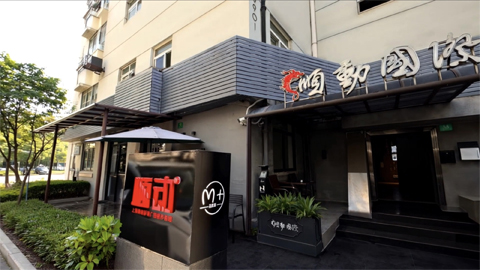
Conditional on-the-spot investigation: look at the office environment, equipment and team on-the-job situation to avoid full outsourcing.
3. to see the case and creative ability
1. The case focuses on 3 points
There are ≥ 3 cases in the same industry: the logic of shooting industry and shooting fast elimination is completely different;
The completeness of the film: whether the script, lens language, color mixing, dubbing and soundtrack are unified and advanced;
Creators at the end of the film: whether the director, photography and editing are full-time for the company to prevent subcontracting.
2. How to judge creative planning
Don't set templates, first research your brand/product/audience;
Give the creative explanation of the split mirror script, not just PPT;
Can explain the core information dissemination highlights, do not pile up content.
4. nuclear team and equipment
1. Core team (must be full-time)
Director: decide the narrative and style, see its representative work;
Planning/copywriting: writing scripts and grasping selling points;
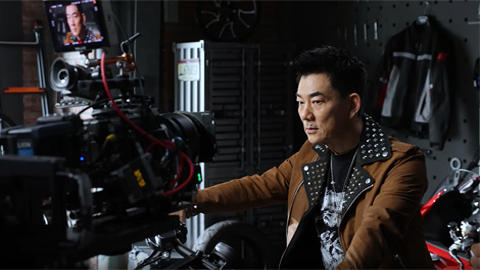
Photography/lighting: determines the quality and texture of the picture. 4K/6K movie machine (RED/ARRI/Sony Venice) professional lighting radio is standard;
Late: editing, color mixing, special effects, dubbing, mixing, its own late team> all outsourcing.
2. Equipment avoidance pit
Beware of "SLR mobile phone part-time" combination, unstable picture quality and poor radio;
Ask whether you own the equipment or lease it temporarily (the lease cost is high and easy to be problematic).
5. review of quotation and contract
1. Quotation must be detailed (reject package price)
Planning fee (10-20%), shooting fee (equipment/personnel/travel), post-production fee (editing/special effects/dubbing/music), miscellaneous fee (field rent/props);
Clarify whether there is an additional charge for copyrighted music/material (many low-cost orders will be charged later);
Below the industry average price * * 30% * * to be vigilant: the probability of reduction, subcontracting, late addition.
2. The contract must write 5 articles (one is indispensable)
Delivery standard: resolution (4K/1080P), format (MP4/MOV), version (full version short video strip);
Number of revisions: free of charge ≤ 3 times, exceeding the clearly marked price; Liquidated damages for delayed delivery (if 3‰);
Copyright ownership: the enterprise has the commercial right to make a film, and the producer retains the right to use the collection; Clear material retention period (3-6 months);
Payment node: 30% advance payment → 40% confirmation of first draft → 30% delivery in pieces, refusing to pay in one lump sum;
After-sales: free fine-tuning 1-3 months after delivery (subtitles, small picture changes).
Three-step method for rapid 6. screening
Preliminary screening (10): look at official website cases, qualifications and quotation intervals, and screen out those that do not conform to the budget/have no qualifications;
Re-screening (3-5): to the same industry complete case script quotation details, telephone return visit to its customers;
Final election (1): interview the main creative team to see if the creative plan understands your industry and the terms of the contract are fair.
7. common pits and avoidance pits
Price increase in the later stage of low-price drainage: the contract says "there is no hidden addition, and the addition needs to be confirmed in writing";
Templated into films: the script is required to be divided into mirrors first, and then filmed after confirmation;
subcontract to a small team: see the team on the job on the spot, and the contract states "no subcontract";
Copyright disputes: clarify the copyright ownership of commercial copyright materials.